
All posts by andrewnaturopath

What Is Homeopathy?

So what is homeopathy and how does it work? It’s medicine is a system of medicine that treats physical, mental and emotional conditions. It is a holistic system of medicine which means that specific conditions are focused on as well the the overall health of the person. So a medicine might be given to address IBS but as an integral part of the treatment, the anxiety will also be addressed. Not only that but also general things like if someone tends to feel hot or cold for example. These sort of ‘characteristics’ will help determine the medicine that will most suit the person and help bring about amelioration of their condition.

Homeopathy As A Medicine?

Medicines are made from a wide variety of sources including plants, animals and minerals. Homeopathic pharmacies take the crude substance and process it in a very particular way using serial dilutions and succussions (mixing). This process is found to ‘bring out’ the healing properties of the original substance.

Small doses of medicine are prescribed and only one medicine is given at any time. Medicines are selected for the individual on the basis of the symptomatology presented. A good example is when you cut up an onion and experience watery and stinging eyes. If you have similar symptoms during a case of hay fever, then a homoeopathic preparation of Allium cepa (onion) may be prescribed and this medicine will begin to remove the hay fever symptoms, beginning the healing process.   In such an acute condition, the medicine can begin to work in a very short time, abating the hay fever. 

What Is Homeopathy & How Does It Work?

As the body of science grows, we are understanding, from a scientific point of view, how homeopathy works. The basis of the approach is to understand what symptoms a certain substance can cause in a healthy person. When this same substance is given to someone with those similar symptoms, then those symptoms in this sick person begin to subside. Samual Hahnemann was the man who so clearly demonstrated and developed this system of medicine. Check out this detailed and interesting account of his life, by by Peter Morrell , A Brief Biography of Samuel Hahnemann

This phenomenon of like cures like, is seen time and time again in case after case and it is this certainty of action that has provided the foundation of homoeopathic prescribing for the last 200 plus years. And it is this certainly that give homeopaths the confidence and assurance that this system of medicine will last long, long into the future as part of medical care in the 21st century and beyond.

Scientific Evidence


Most people acknowledged that for something to be valid, useful or accepted in society, it doesn’t have to be validated by science. Having said that, science certainly contributes to our lives in positive ways and we have benefited form understanding things form a scientific perspective.

We are entering an exciting phase in medicine as now more and more scientific evidence is gathered showing the positive effects of homoeopathic medicine. We can certainly benefit form this new knowledge. For example, it is suspected that some of the action of the small amounts of medicine used in homeopathy can be attributed to a re-shaping of the water molecules found in the medicine. Take a look at this article by Iris Bell, Homeopathy as Systemic Adaptational Nanomedicine: The Nanoparticle-Cross-Adaptation-Sensitization Model.

It’s important to remember that the number of scientific studies done on homeopathy is less than other fields and the main reason for this is the lack of funding by private enterprise, company interests and governments. This is now changing.

Band Classical homoeopathic medicine is partly based on a scientific methodology fulfilling the criteria for something to be considered scientific. More and more research is being carried out today on the efficacy of homoeopathic medicine and although a lot more research is needed, there are certainly many studies that show homoeopathy to be an effective form of treatment. Due partly to the scientific validity of homoeopathy, in various parts of the world homoeopathic medicine has established itself as a viable and commonplace alternative to so-called ‘Western Medicine’. For example in India, England, Switzerland and other parts or Europe, homoeopathic hospitals successfully treat all types of diseases. The World Health Organisation (WHO) report Homoeopathic Medicine as being the most popular medicine used across the world.

History Of Homoeopathy

Samuel Hahnemann (1755) was a chemist and physician in Germany and developed the principles of homoepathy over his lifetime. He was know to be an extremely keen observer – a required quality for any one in science – and as medicine was evolving during that time, he noticed the the like cures like principle at play in a case of malaria.

Like Newton seeing the apple dropping from the tree, Hahnemann observed this healing principle and went on to develop it into a working, effective system of medicine. There is so much more to say regarding the history of homoeopathic medicine, but this is it in a nut shell.

The Consultation

The consultation can range from 5 minutes to an hour of so, depending on what is being treated and the type of treatment. Generally speaking, the initial consultation take the longest as a holistic approach requires that many different aspects of someone’s health are looked into. This may involve mental, emotional and physical issues.

Conditions Treated

Because it is a holistic form of medicine, homoeopathy does not treat a specific condition as such. This system of medicine works because the whole of the person is taken into account and it is form this basis that medicine is prescribed. So we treat someone who has a migraine as opposed to treating the migraine itself.

There are also times that acute prescribing will be ‘more focused’ on a particular set of symptoms and medicine prescribed for that. But even in these conditions, a homeopath will always look at the big picture, the holistic picture and modify the medicine accordingly.

Government & Media

Some governments have strongly resisted homeopathy and it seems in some cases have particularity gone out the way to reduce the practice of it. For example in Australia, Currently (2020) in Australia the National Health and Medical Research Council, is before the ombudsman over claims that it has mis-represented homoeopathic medicine in its report to the Australian Government.

I think all this is negativity towards homeopathy comes down to politics, power, medical bodies and pharmaceutical companies. As a homeopath, my colleagues and I see the positive side to this because with honest and intelligent discussions, we are moving towards a health care system that is beneficial to everyone and will include all types of approaches to health and healing.

 

Best Flu Remedy

[vc_row][vc_column][vc_column_text]best flu remedy

What Is The Best Flu Remedy?

When we are approaching ‘flu season’ it is good health practice to have the beat flu remedy in place both for prophylaxis and treatment. It is helpful to remind ourselves that the common old flu is rather a serious matter. In fact, approximately 222000 were infected by the influenza in 2017 and sadly there were many deaths as a result of it.

In this short article I want to highlight the issues that are really important from a Naturopathic / Homoeopathic point of view and share with you some remedies that may help with colds, flu’s, coughs and colds. Now it is a bit silly to say something is the best remedy as there are many ways to deal with the flu depending on the circumstances and the person being treated.

There are however some basic, absolutely essential fundamentals that can have a massive effect of how well any remedy can work. This is what I want to share with you today.


Vulnerability – A Key Factor

Some individuals are more susceptible to infections than others and the reasons for that are many. Have you ever wondered why certain people will catch a cold while others are spared, even though they have been in contact with infected people? One important factor in determining susceptibility or weaker immune systems, is your current state of health. In other words, “how healthy are you right now?” This will contribute to your vulnerability to infection.


Building Your Health Status

There are so many ways you can do this of course. When the flu season is approaching, you need to be as healthy as you possibly can be.  I don’t mean to be simplistic, but this attitude and approach can make all the difference. If you do happen to fall sick it is possible you will be less effected by the symptoms and the flu wont last as long – because of your robust health! Makes sense doesn’t it.

The very best piece of advice I can offer you is to

act now and build up your levels of health.

So it’s the usual things that contribute to your health. For example: exercising regularly, having a highly nutrient-dense diet, making wise choices about the type of treatments you have and how you take care of your mental and emotional health. Another great example is to make sure you are sleeping well and getting enough good quality sleep. You might like to check out my article Insomnia – Natural Cures. Fatigue and lack of sleep are going to lower you immune system and ]may make you more vulnerable to the flu.


Emotional Balance. The Best Flu Remedy ?

Perhaps! Emotional health is every bit as important as our physical health. Although a bit of a cliché, it is well-known that ‘emotional stress’ will lower the immune system’s ability to fight infections and therefore, reducing stress becomes a really important component of preventing and treating the flu. We need to find ways to deal with negative emotions (including stress) and  begin to restore emotional health and balance, as much as possible.


So there is obviously not just one best way to deal with the flu. Having said that there are definitely some more general approaches that can potentially improve flu symptoms and help you to recover more quickly as well as help reduce the likelihood of contracting the flu in the first place.[/vc_column_text][/vc_column][/vc_row]

How To Heal Leaky Gut

I am often asked in the clinic about leaky gut and how to heal it. Well, my answer is fairly straight forward as we know a lot about this condition. I start of by saying that as Naturopaths we don’t make claims about healing anything and then go on to talk about how we approach this condition using naturopathic approaches. Leaky gut is a complex condition and in order to understand how to treat it, we need to first understand what causes leaky gut. I am going to focus on a few of the common causes.

Leaky Gut Symptoms

Unexplained food intolerances, allergies, constipation, wind and bloating could end up being chronic symptoms if proactive steps aren’t taken to diagnose the problem and then to treat it. And what is of even more concern is that this condition makes you more susceptible to developing serious gastrointestinal illness down the track.

What Causes Leaky Gut?

In today’s article I want to explain what Leaky Gut actually is and then share with you some of my Naturopathic expertise and show you how heal a leaking gut – well, ways to maximise the healing ability of the gut as much as possible.

The digestive tract is a complex but one part of it, the small intestine membrane, acts as a wall, separating undigested food and the bloodstream. This barrier allows the tiny molecules to be transported through the membrane and into the blood stream, supplying the body with the essential nutrients. Under normal circumstances, a healthy person may have as much as 20% of undigested proteins getting through this barrier. This permeability is normal to a degree.

Now there are certain factors that will increase the permeability of the intestinal wall and one of the main things is excessive inflammation. This is what is referred to as leaky gut. So what happens is that larger molecules of undigested foods are able to pass through the membrane into the blood. As a result of this, the immune system is triggered.
When there are too many CIC’s the kidneys and liver have a hard time getting rid of them and they can end up being stored in the soft tissues of the body which drives the already inflamed tissue throughout the gut. And of Course the more inflammation, the higher the possibility of allergies.


Healing Leaky Gut

By understanding what leaky gut is, we now can find ways to address it and begin to help the gut to function normally and for the barrier to become more discerning about what goes through and what is blocked!

Intestinal Dybiosis
A term used to describe the unhealthy balance of organisms (microbiome) that live in the gut. We have all heard of ‘friendly’ bacteria and these are the ones we want to have in our system and importantly, in the right amount. The use of probiotics have become everyday supplements for leaky gut and their judicious use can be really helpful in getting the gut balance back into order. Different studies show that various probiotics are better suited for certain conditions while other studies show that a general probiotic can have positive effects on the gut microbiome.

Candida Overgrowth
This yeast can overgrow throughout the body causing candidiasis which contributes to leaky gut as well as trigger allergic reactions. It can also lead to gradual degradation of the intestinal wall integrity. One naturopathic approach is to have a diet that contains no sugar and fermented products. This way the candida is ‘starved’ and can be reduced throughout the body.

Ideal Liver Function
The liver is like a big sponge in the body and it is able to filter up to 99% of bacteria that has originated form the gut. Candia and other pathogens activate the liver detoxification processes but in order for it to do so, it needs to be in top working order. If your diet is less than optimal or there are too many toxins in your body as well as other various factors, then your liver will not be able to detoxify effectively and at least, not be working at peak efficiency.
So anything we can do to promote liver health is going to be great when trying to find out how to heal leaky gut. Perhaps the biggest impact on liver health is your diet. I know it gets a bit repetitive but it is true. Remove processed foods, ensure your diet is balanced and you’ll be on the right track. Foods like beetroot are wonderful ‘liver cleansers’ and other vegetables that are bitter in taste as this will stimulate the healthy functioning of the liver. Dandelion root coffee is my favourite herb for the liver and easily obtainable. Globe artichoke is another ‘liver’ plant.

Medications
As a naturopath, I put a lot of emphasis on body pH because this can affect your overall health in many different ways. It’s important to be aware that there are some pharmaceuticals that are alkalising and when they enter the stomach they alter the pH and this in turn can affect the digestive process. Larger molecules are able to escape the mucosal barrier. In other words, contribute to leaky gut. The NHS (UK) has some more information on medications as well as a good summary of leaky gut. Leaky Gut Syndrome.

Alcohol
Anti-inflammatory molecules called prostaglandins can be diminished by small amounts of alcohol. (It inhibits an enzyme called delta-g-desaturase.) This means that there is more inflammation at the intestinal wall and this, again drives problems like allergies, for example.

Parasites
Intestinal parasites adversely affect out health in all sorts of ways including leaky gut. They mostly live in the gut but can enter the blood stream and make their way to various organs and tissue. The toxins that are released by parasites cause damage to your body, especially in the digestive system. The resulting inflammation, again, contributes to the leaky gut.

Leaky gut requires an eclectic understanding as to its causes and then this allows us to approach it with strong and focused naturopathic treatments. If you have any questions please contact me at my clinic. Andrew James Healing Centre.


Pictures

Lady with stomach pain: Image Анастасия Гепп. Pixabay. disease-4392164_1920


Patterns Of Healing

[vc_row][vc_column][vc_video link=”http://youtu.be/dlEyozsmkhs”][vc_column_text]
Today I want to bring your attention to an important part of the healing process – a deep understanding of the nature of health and healing helps you to achieve greater levels of health. I’m all about education – knowing what is health and what constitutes healing. If you’re going to have significantly better health, it’s important to know the different mechanisms that can occur along the way.

A Healing Crisis Is Healthy
One of these process is called a healing crisis. Essentially it is a worsening of symptoms or reoccurring of them within the context of your treatment and your progression towards becoming healthier. Now let me be very clear about two things here: the first is that there is a limit to how much we want symptoms to aggravate and secondly, many people don’t experience a healing crisis at all – or nothing really noticeable.

But when it does occur it can be very mild or more significant and how you deal with this is really important if you want to keep on the path of healing.

Let me give you some examples

1. Someone who has had suppressed anger my find that during treatment, their anger levels rise and come to the surface and they may begin to overtly express this anger – they might have outbursts here and there. Physical symptoms may be exacerbated at the same time.

2. Another example is someone who has been having a lot of antibiotics for say, tonsillitis. During Naturopathic or homoeopathic treatment, the tonsils may flair up (not infected) and become hyperactive if you like, as the immune system is stimulated.

3. And another aggravation of symptoms may occur after a consultation when we have talked about some deep inner feelings and experiences – it’s a little like the cover had been lifted from deep seated emotions and airing them brings them to the surface and this can seem like an aggravation of symptoms – emotional and or physical.

4. If someone has been of a unhealthy diet and then suddenly changes their eating patterns to include only health foods and beverages, there can be an unpleasant healing crisis as the body readjusts to new foods and begins the elimination processes. As a Naturopath, we use specific techniques and medicines to minimise this sort of healing crisis as the symptoms can be very unpleasant and actually harmful to the body. For example, it is very stressful for the liver to detoxify loads of toxins during a healing crisis and so careful liver support id required.

Each of these situations may be indications that you are moving towards a healthier state. In fact, us Naturopaths and Homoeopaths usually see a healing crisis as a really good sign as your healing progresses. If this does happen with you, don’t panic! Just stop any medication you are taking and give the clinic a call.[/vc_column_text][/vc_column][/vc_row][vc_row][vc_column][vc_video][/vc_column][/vc_row]

Lack Of Sleep Associated With Serious Disease – Are You At Risk?

The science of sleep is fascinating – our body undergoes tremendous regeneration and healing as well as helping us to mentally and emotionally process our experiences. One only has to become a little sleep deprived to gain insight into the importance of sleep. The link between lack of sleep and disease is very strong and I really want to encourage you to find ways to both improve your sleep as well as to enhance it, thereby maximising your own health potential and helping to prevent the onset of serious illness and disease.

In my clinic about 20% of my clients have issues with their sleep and I usually see the best results with herbal, nutritional or homoeopathic medicine. Of course there are often other health-related issues going on as well and so when treating insomnia, recurrent nightmares, unrestful sleep etc. a holistic approach is essential if you really want to address underlying health problems. Finding effective ways to reduce stress and tension are often (but certainly not always) an important part of the formula for improving sleep.

If you are not sleeping well you may be at risk of the following diseases:

1. Alzheimer’s Disease

In the JAMA Neurology, 2013, Spira AP, Gamaldo AA, An Y, et al. (1) found that deficient sleep is associated with Alzheimer’s as well as influence the progression of the disease. It had been known that sleep enabled the central nervous system (which includes the brain) to ‘cleanse’ itself neurological ‘waste’ that contributes to dementia. The marker for Alzheimer’s is beta-amyloid and this molecule was found in higher concentrations in people that were sleep deprived.
2. Blood Sugar Irregularities, Diabetes & Obesity
Obesity and diabetes are closely linked and lack of sleep is also associated with obesity. One of the issues here is the amount of fatty acids in the blood and it was found that in men who had four hours of sleep over 3 days, had highly elevated levels of fats in their blood, 15-30% more than men who had 8 ½ hrs of sleep a night. Now I realise it is an extreme situation to have such little sleep, but the point is that under this stress, the blood fats were adversely affected and the question is whether less degrees of sleep deprivation will adversely affect lipid levels. It was also found that insulin resistance increased with higher fatty acid levels and this is a driver of diabetes.
3. Cardiovascular Disease
A Russian study involving 657 men showed a strong correlation between heart attacks and sleeping disorders – almost 2/3 of the men in the study had both heart attacks and a sleeping problem. The men were 2.6 times more likely to have a heart attack and 1.5 times more likely of having a stroke.

4. Suicide
A study from Stanford University of Medicine involving 420 people over a 10-year period looked at the incidence of suicide and sleep problems. It was determined that those suffering regular sleeping problems were 1.4 times more likely to commit suicide. In this study, the more vulnerable people were white men over the age of 85 with other health issues as well as increased stress levels.

5. Ulcerative Colitis

Both Crohn’s disease and ulcerative colitis are associated with sleep deprivation and indeed over-sleeping and addressing these sleep issues is often part of the treatment plan for my clients with these potentially devastating illnesses of the digestive system. The ‘right’ amount of sleep is needed to help control the inflammatory processes that play become over active in these digestive disorders.
One study of women (2) has shown that 6 or less hours of sleep increases the risk of the diseases while more than 9 hours per night of sleep also had a similar effect.

6. Prostate Cancer
A study involving 2,425 men from Iceland (3), it was found that the risk of developing prostate cancer rose 60% if they had difficulty getting off to sleep. The risk doubled for those having trouble staying asleep. This observation was attributed to levels of melatonin, a hormone known to suppress tumour growth.

Having Problems Sleeping?
Come on in for Naturopathic Treatment


References
(1) Spira AP, Gamaldo AA, An Y, et al. Self-reported Sleep and β-Amyloid Deposition in Community-Dwelling Older Adults. JAMA Neurology. 2013.
(2) Nurses’ Health Study (NHS) I since 1976 and NHS II since 1989
(3) 2013, Journal Cancer Epidemology, Biomarkers and Prevention.
http://theheartysoul.com/5-diseases-your-lack-of-sleep-could-be-causing/?t=DrM
More references available on request

Fibromyalgia – A Serious Side To Muscle Aches & Pains

Part of having excellent musculoskeletal health is being educated about the common diseases that you are vulnerable to and looking at different ways to treating them if and when they occur. These conditions include fibromyalgia, polymyalgia rheumatica, rheumatoid arthritis and osteoarthritis. In today’s Body Talk I want to draw your attention to fibromyalgia and the way Remedial Massage can help, but remember that some of these ideas and concepts will equally apply to other similar musculoskeletal problems. 

Fibromyalgia is a very painful condition often found mostly in women (75-90%) as well as men and it affects 3-6% of the world’s population (1). With distressing symptoms, this condition can have a massive negative impact on day-to-day living.

Unclear Medical Cause

The exact medical causes of Fibromyalgia are often a source of contention with numerous etiologies proposed such as hormonal influences as well as genetic predispositions. Combinations of physical and emotional stimuli has also been proposed as contributing factors to the disease. This highlights one of the advantages of systems of medicine like Naturopathic, Homoeopathic or Ayurvedic medicine that are not necessarily contingent on have clear cause of particular diseases – I have often written on this topic – treating illnesses that have no known cause using Naturopathic approaches.

This Disease Can Impair The Quality Of Your Life

One of the most obvious symptoms of Fibromyalgia is chronic fatigue, anxiety and pain. Some patients have also experienced long cycles of insomnia after the onset of this condition. Fibromyalgia patients are often found to have depression, however, it is not clear whether depression causes fibromyalgia or if it is the other way round. The actual diagnosis of fibromyalgia is not straight forward, as I mentioned and the criteria has changed over the years. If you would like more information on this go to: http://chronicfatigue.about.com/od/diagnosingfmscfs/a/diagnosingfibro.htm


Remedial Massage Brings Relief

There aren’t many proven treatment methods that offer considerable reduction in fibromyalgic pain. But, many patients have reported that regular remedial massage sessions have brought down the pain intensity. It is not exactly clear as to which type of massage is most effective in alleviating pain, but most patients have experienced relief after undergoing Swedish massage, Deep tissue massage, neuromuscular massage and Ayurvedic massage.
In ‘Complementary Therapies in Clinical Practice’, (2014) Field reports: “Moderate pressure massage has contributed to many positive effects including…. reduced pain in different syndromes including fibromyalgia…” (2)
The underlying principle in many massage techniques is the same – apply adequate pressure to various body parts to enhance the blood circulation as well as to regulate the production of various body hormones, releasing of toxic biochemical products from the muscles and of course inducing relaxation of the nervous system.
Of these, the most important is the regulation of the stress hormone, Cortisol. Even a small reduction in the level of this hormone can bring relief for fibromyalgia patients.
A review in 2014 states: “Massage therapy with duration = 5 weeks had beneficial immediate effects on improving pain, anxiety, and depression in patients with FM. Massage therapy should be one of the viable complementary and alternative treatments for FM.” (3)
Massage is also known to provide relief from severe pain and even prevent recurring insomnia.


Holistic Relief From This Distressing Condition

In my clinic I use a combination of Naturopathic approaches as well as specific Remedial massage techniques to help maximise the health of the musculoskeletal system. In terms of Naturopathic medicines, herbal medicines for example can be an excellent way to help the muscle tissue to function in a healthy way, but like all holistic approaches, we need to be looking at life style issues, nutrition, emotional and mental health as well, as all these factors have a bearing on the level of health you enjoy. But having said that, Remedial massage alone can certainly provide relief to people with fibromyalgia.


Note on Magnesium: Every second person, just about, is taking a magnesium supplement thanks to effective marketing campaigns. Just remember that is it not going to treat or heal a condition like fibromyalgia, or any other problem for that matter except a magnesium deficiency. It is a symptomatic approach that may help with symptoms but it can leave the underlying cause of the problem, unaddressed.
References

(1) http://www.fmcpaware.org/fibromyalgia/prevalence.html
(2) Complement Ther Clin Pract. 2014 Nov;20(4):224-9. doi: 10.1016/j.ctcp.2014.07.002. E pub 2014 Aug 1. Massage therapy research review. Field T1.
(3) Massage therapy for fibromyalgia: a systematic review and meta-analysis of randomized controlled trials. Li YH, Wang FY, Feng CQ, Yang XF, Sun YH. PLoS One. 2014 Feb 20;9(2):e89304. doi: 10.1371/journal.pone.0089304. eCollection 2014. PMID: 24586677

Ketogenesis – A Way To Health

A Ketogenic Diet Promotes Better Health

Over the last few years now, ketogenic diets have gained popularity, fueled initially for its weight loss benefits. Now there are more and more scientific studies that show how this approach to nutrition can have positive health benefits for numerous disease conditions. As a Naturopath I have more and more clients following this type of approach or something very similar and with close monitoring, have made positive steps forward with regards to their health.
So what is a Ketogenic diet and how can it help you to advance your state of health?

In a nut shell, the diet consists of low levels of carbohydrates with increased levels of good fats and proteins. In normal physiology, the carbs that we eat convert to simple sugars which are then used for energy in the body. When there are not enough carbs in the body for this to happen, the body then switches to using fats and converting them to energy and this is what’s called ketosis.
 

Good fats: the key to this approach is to include healthy fats in the diet. Coconut oil is a good example as it contains medium chained triglycerides which convert easily to energy. Some practitioners build up clients to 5 or 6 teaspoons of the oil per day. At these levels I recommend you have supervision of a Naturopath or other qualified practitioner. Usually if you have too much, diarrhoea results, allowing your body to get rid of the excess oil.

Brazil nuts
Fresh, raw nuts provide an excellent source of fats.

Other good sources of fat include avocados, nuts and seeds. (see table below). Try having ½ an avocado with your salad. Great salad dressing can include cold pressed olive oil with some undistilled apple cider vinegar, garlic and seasoning. The first thing you need to do when beginning this diet is to make sure you are removing all the processed and packaged foods from your diet, eating only whole foods which are ideally prepared at home so you know exactly what’s going into the food.

You need to also begin to reduce the amount of grains in your diet. This includes breads, biscuits, breakfast cereals etc. Doing this alone is going to have massive positive effects on your health that may be what you decide to do, begin reducing the carbs to encourage the healing processes of your body. Remember that there are no ‘essential’ carbohydrates like there are essential proteins.

Now for some of you this will seem just too hard. Well, all you need to do is start small which might mean that you take a home-prepared lunch to work every second day. Just take smaller steps and work towards a full on change in your diet, over time.

Remember that carbohydrates are found in some foods that might surprise you – diary, fruits, some vegetables. As you are easing into the diet, you might find it easier to have ½ servings of fruit for example. Stopping dairy altogether is not too difficult and many health-conscious people have little or no diary anyway (finding other sources of calcium of course).

Also legumes and beans contain carbs which means that if you are a vegetarian, it can be really difficult to go on a

Legumes and beans contain carbohydrates which lessen the ketogenic effect.

100% ketogenic diet. I would suggest that a vegetarians follows everything involved in a ketogenic diet include normal levels of legumes etc. and other non-meat protein sources. Although you won’t go into full ketosis and you may not go into ketosis at all, but you will certainly have some of the befits of the diet which may indeed be enough for you to achieve your health goals or begin to move towards them.


Perhaps a ketogenic diet, or something similar, is going to help you to enjoy better health and possibly help manage your particular illness or condition. If you think this might be for you, or have some questions you’d like to ask, please give the clinic a call. I also recommend that you don’t just start a ketogenic diet without advise from your health care professional.

There are some situations in which this diet can cause harm if done incorrectly or if you have certain illnesses. There are also some circumstances in which this diet is contraindicated.

What I do think is a great idea is to adopt some of the principles of the diet and begin to incorporate some of the strategies – lower carbs, high quality fats, good levels of protein. Now how much of these you need is very individual and beyond the scope of Body Talk – you will need to make sure the amounts of carbs, fats and proteins suit you and your life-style.


Healthy Oils

Olive cold pressed, extra virgin
Coconut (doesn’t oxidise at high temperatures like many other oils used for cooking.)
Animal fats omega -3 rich. Eg: Krill, fatty fish like sardines or anchovies

Butters: 
Cow’s milk – (organic)
Nuts (almond, hazel etc)
Coconut
Ghee

Seeds:
Sesame (tahini)
pumpkin etc.

Avocado
Eggs (yolks) free range
Raw cacao butter


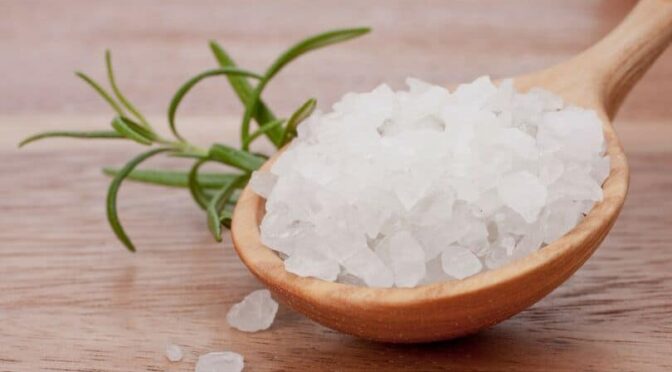
Sea Salt – Can It Bring You health Benefits?

Table Salt Vs. Sea Salt

waves
Will sea salt provide you with better nutrients?

Check out the pros and cons compared to common ‘table salt’.

This Blog is taken from my Body Talk Newsletter.

(Details on the right hand side)


  • Sea salt contains many minerals eg iron, sulfur, magnesium – increasing overall nutritive value.
  • Sea salt helps maintain a healthy balance of electrolytes in the body.
  • The refining of table salt strips it of all of its minerals.
  • Table salt is an unnatural compared to sea salt.
  • A major disadvantage of sea salt – low iodine levels.
  • Because iodine is added to table salt it makes it a better source of the mineral.
  • Sea salt contains impurities because it is derived from sea water.
  • Sea salt can taste less salty compared to table salt due to the mineral present in it.


“If You Only Treat Your Skin, Healing Is Less Effective”

That’s right, it is rare that when I am helping people with their skin
problem, that we focus only on the skin. When you are wanting to
maximise the health of your skin, you simply have to be addressing
other aspects of your health and making sure that you are as healthy as
possible in every way. It is difficult to take this approach when it is
your skin that is the most troublesome…..

Check out this very short couple of paragraphs I’ve written
at my Clear Skin International Face Book Page. There are lots of very
interesting articles and info on skin health. And I’d love you to like the page!
It’s only new and I need some likes!!! Andrew

https://www.facebook.com/clearskininternational/

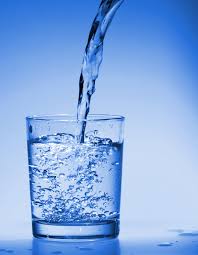
Is Water A Massive Stress On Your Body?

water glass of
Drinking healthy water will reduce much physiological stress on your body.

http://www.youtube.com/watch?v=xjBkBsCL8SQ

Water is one of the most essential elements that sustains life. It regulates many processes throughout the body and without it – life for us would not be possible. It helps to transport nutrients around the body as well as remove toxins from the cells and them excretes them from the body. If you are working towards ultimate health then regular, long term water intake is essential. Water hydrates the body down to a cellular level and without it, or with less-than-optimal levels, the cells are effected and effectively cause them to dehydrate. One of the results of this is that it increases your susceptibility, for example, to viral infections. The water you drink must be of a very high quality if you are to move towards better health and healing. These conditions may be related to significant dehydration and the build up of various inorganic minerals in the body due to unhealthy water.


Check List: Do you or your loved ones have any of the following conditions?

Constipation, kidney stones, gallstones, arteriosclerosis, high blood pressure,

back pain, joint pain, high cholesterol, migraines, stress, varicose veins,

inner ear problems, rheumatism, angina, asthma, diabetes, allergies, gout, arthritis, fatigue.

“Did you know that your body is about 70% water?

If you loose 20% of it, your health can be adversely effected.”

There is no doubt that if you consistently have sufficient levels of water in your diet – and the right sort of water – will enjoy better health and healing compared to being dehydrated – even a small degree. The right sort of water can be derived from fresh fruits, vegetables, freshly prepared juice of fruit & vegetables and filtered water.

If you are having fresh juice, remember that one glass of orange juice for example is about 5 oranges – and that is a lot of sugar. Even though it is from fruit, it will still cause the same harmful effects as having white processed sugar. So we recommend that you dilute your juices with purified water. (This is more the case with
fruits). Remember that we need about 2 – 2 1/2 litres of water a day and this includes liquid from our food. The amount of water we need can change depending on various circumstances. If you are exercising, hot weather, drinking tea and coffee will increase your need for water.

One glass of orange juice is like eating 5 oranges in 10 seconds flat!

The average glass of tap water contains traces of many substances that can harm you and cause damage. Pesticides: Levels are controlled in many countries, including Australia. However, levels of Lindane for example, allowed in Australia are 200 times more than that allowed in Europe. Some of its toxic effects include: cancer, multiple sclerosis, Parkinson’s disease and male infertility.

Chloroform: Resulting form the production of chlorine, this can cause reproductive problems, brain damage
and can be toxic to the lungs and skin.

PCB’s: Added to plastics and used in some domestic piping.
Benzene: Only absorbed in small amounts but can cause drowsiness, dizziness, headaches, confusion, rapid heart rate, unconsciousness, coma and even death. It can affect the reproductive organs, cause low birth weights, delayed bone formation, and bone marrow damage in unborn foetus

Mercury: Exposure can cause fatigue, memory loss, mental disorders, headaches, heart attacks, angina, deafness, kidney damage,, Hodgkin’s disease, liver damage, arthritis, muscle tension and weakness, Alzheimer’s disease and autism. It also can cause infertility in both males and females.

Lead: Easy absorbed from old plumbing. Toxic effects include anaemia, hypertension, colic, constipation, deafness, kidney & liver damage, cancer, brain damage, dementia, insomnia, male infertility and miscarriages.

Bacteria and other organisms can cause diarrhoea, bloating, burping, gut pain, ulcers, dysentery and lung
disease.

Other components that can be found in tap water: sewerage, industrial wastes and many, many other chemicals.

Most municipal water contains calcium carbonate – an inorganic mineral. This and other inorganic minerals can contribute to the formation of ‘stones’ in the body such as kidney, gallbladder, and bladder. It can also effect the health of our joints and contribute to the hardening of arteries. Remember that calcium carbonate is used to made cement! So what do we do about tall of this? Simple. I encourage you to use filtered water as much as possible. There are many filters on the market and I’m not going to go into details in this newsletter. Also remember that a significant amount of our water intake is from fresh foods – mainly fruits and vegetables.