
[vc_row][vc_column][/vc_column][/vc_row][vc_row][vc_column][vc_column_text]
Immune System Booster Vitamins
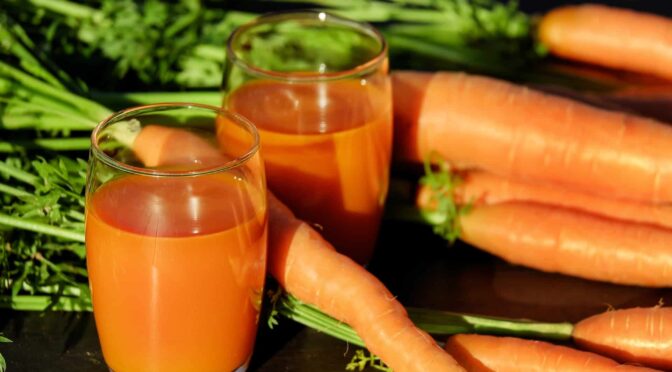
Vitamin A, one of the main Immune System Booster Vitamins, helps to keep your immunity strong and robust. Over the coming months we need to be finding ways to enhance immune function. Focusing on one or two things at a time is going to have a powerful, accumulative effect and help to keep you healthy and able to deal with infections. I want this article to help to keep you focused on specific DIY, immune-enhancing actions. This is exactly what I am doing with a lot of my Naturopathic clients now – pinpointing one or two areas and really focusing on those to help boost immunity.
There are infinite ways to stimulate the immune system, and you can’t do it all at once, so I encourage you to focus on some of the “booster vitamins” – and today it is Vitamin A![/vc_column_text][/vc_column][/vc_row][vc_row][vc_column][vc_empty_space height=”60px”][/vc_column][/vc_row][vc_row][vc_column width=”2/3″][vc_video link=”https://youtu.be/Ht3Ah1Rd6GU”][/vc_column][vc_column width=”1/3″][vc_column_text]Accumulative Effect
Keeping healthy over the coming months is a priority. One of the most powerful way to enhance your immune function is to ensure the building block are in place by being persistent and consistent, ensuring you are having a nutrient-dense diet. We all want a quick fix, a do-it-all supplement, but strengthening your immunity from the ground up, so to speak, will go a long way towards a strong and robust immunity. [/vc_column_text][/vc_column][/vc_row][vc_row][vc_column][vc_empty_space height=”60px”][/vc_column][/vc_row][vc_row][vc_column][vc_column_text]Let me be very clear right from the start. Supplementation of vitamins may certainly play a role in therapeutic prescribing, but this is not what I am talking about here. There are also so many nutrients required for a healthy and normally functioning Immune system, but, what I’m calling, “immune system booster vitamins” are worth focusing on specifically.
According to an article called The Chemical Structures of Vitamins, a vitamin is “…any organic compound that a living organism requires, but which it is not capable of producing itself, or cannot produce in the amounts required by the body.” We have 13 vitamins in our body, all essential for health and for a healthy immune system. Before you rush out and buy then all as supplements, I strongly recommend that you tweak your diet so that you are getting most if not all of your supply, from fresh whole foods. This is not the place to explain why natural foods and going to be better than supplements for your health. That will be another article!
Vitamins are divided into water soluble and water insoluble – you can check out the list below. It’s interesting to note that there are some vitamins missing – vitamin F, G, H etc. Well, actually they are not really missing, but categorized – biotin used to be called Vitamin H for example.
Vitamins are divided into water soluble and water insoluble – you can check out the list below. It’s interesting to note that there are some vitamins missing – vitamin F, G, H etc. Well, actually they are not really missing, but categorized – biotin used to be called Vitamin H for example.[/vc_column_text][/vc_column][/vc_row][vc_row][vc_column][vc_empty_space height=”60px”][/vc_column][/vc_row][vc_row][vc_column width=”1/3″][vc_column_text]Water-soluble vitamins
B vitamins
Biotin (vitamin B7)
Folic acid (folate, vitamin B9)
Niacin (vitamin B3)
Pantothenic acid (vitamin B5
Riboflavin (vitamin B2)
Thiamin (vitamin B1)
Vitamin B6
Vitamin B12
Vitamin C[/vc_column_text][/vc_column][vc_column width=”1/3″][vc_column_text]Fat-soluble vitamins
Vitamin A
Vitamin D
Vitamin E
Vitamin K[/vc_column_text][/vc_column][vc_column width=”1/3″][vc_single_image image=”4455″ img_size=”large” css_animation=”bounceInRight” css=”.vc_custom_1584959805568{border-top-width: 4px !important;border-right-width: 4px !important;border-bottom-width: 4px !important;border-left-width: 4px !important;border-left-color: #dd8f1a !important;border-left-style: solid !important;border-right-color: #dd8f1a !important;border-right-style: solid !important;border-top-color: #dd8f1a !important;border-top-style: solid !important;border-bottom-color: #dd8f1a !important;border-bottom-style: solid !important;border-radius: 4px !important;}”][/vc_column][/vc_row][vc_row][vc_column][vc_empty_space height=”60px”][/vc_column][/vc_row][vc_row][vc_column width=”1/2″][vc_column_text]From a Naturopathic perspective, the key to optimizing the Immune System Booster Vitamins, is to ensure that you are having foods that cover all of the vitamins. One way to do this is by having a variety of different foods. It is important to focus like I am doing in this article and look at specific nutrients, but combine this with a wide variety of whole, unprocessed foods.
Supplements: Please don’t fall into the trap of thinking supplements will substitute for dietary sources of nutrients. They do not. There are so many health reasons why you need to make every effort to source healthy, fresh, whole and unrefined foods if you want to enjoy maximum health. Yes, supplements may play a role when used therapeutically, but a consistent, highly nutritious diet, unequivocally, comes first.
[/vc_column_text][/vc_column][vc_column width=”1/2″][cq_vc_flipbox avatarstyle=”fixed” fronttitle=”Quizz” frontcontent=”Do you know three of the highest sources of non-animal Vitamin A?” frontcontentcolor=”#000000″ backtitle=”Carrots, Broccoli & Cantaloupe (rock melon)” backcontentcolor=”#000000″ backbuttonbg=”#e8bb35″ cardstyle=”lavender” cardborder=”solid” bordercolor=”#db730a” titlesize=”20″ contentsize=”20″][/vc_column][/vc_row][vc_row][vc_column][vc_column_text]
Vitamin A Stimulates Immunity
Vitamin A is made from carotenoids – the substance that gives Vit A – rich foods their yellow colour.
It’s vital for healthy functioning of the mucous membranes, the reproductive system, the skin, liver, GIT, eyes, lungs and kidneys. And of course it plays a significant role keeping your immune system healthy. (Role of Vitamin A in the Immune System).
In an article by Huang Z et al, Vitamin A is know to have an anti-inflammatory effect and this is one of the reasons it is so important in immune function. (Role of Vitamin A in the Immune System.) It helps to regulate two parts of the immunity – the humeral and the cellular response.
According to Cantorna MT, Snyder L & Arora J, (2) Vitamin A (and D) deficiency results in a disruption of the gut microbiota and this in turn increases the vulnerability of the gut to infection. (Vitamin A and vitamin D deficiencies result in less diverse, dysbiotic microbial communities and increased susceptibility to infection or injury of the gastrointestinal tract.)
Also Vitamin A influences the antibody function of the body as well as the immune systems ability to phagocytose pathogens in the body. (Vitamins and immunity: II. Influence of L-carnitine on the immune system.) (3)
[/vc_column_text][/vc_column][/vc_row][vc_row][vc_column][vc_empty_space height=”60px”][/vc_column][/vc_row][vc_row][vc_column width=”1/3″][vc_single_image image=”4440″ img_size=”large” css_animation=”bounceInLeft” css=”.vc_custom_1584959872256{border-top-width: 4px !important;border-right-width: 4px !important;border-bottom-width: 4px !important;border-left-width: 4px !important;border-left-color: #dd2323 !important;border-left-style: solid !important;border-right-color: #dd2323 !important;border-right-style: solid !important;border-top-color: #dd2323 !important;border-top-style: solid !important;border-bottom-color: #dd2323 !important;border-bottom-style: solid !important;border-radius: 4px !important;}”][/vc_column][vc_column width=”1/3″][vc_column_text]Sweet potato
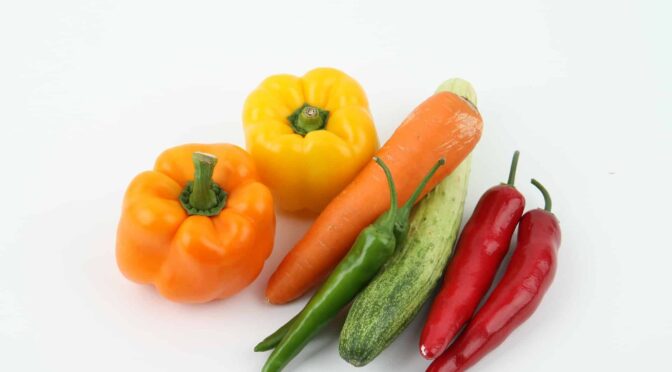
Red peppers
Carrots
Black-eyed peas
Kale
Berries
Eggs[/vc_column_text][/vc_column][vc_column width=”1/3″][vc_column_text]Butter
Spinach
Broccoli
Mango
Cantaloupe melon
Apricots
Pumpkin
Tomato juice[/vc_column_text][/vc_column][/vc_row][vc_row][vc_column][vc_empty_space height=”60px”][/vc_column][/vc_row][vc_row][vc_column][vc_column_text]
Time To Be Creative
Black-Eyed Beans curry is a favorite of mine. It is a bit unusual if you are not used to cooking with the beans, but if you’re inspired, give it a try. Such a delicious Vitamin A hit! This bean curry is called karamani in tamil.
Remember you need to soak the beans overnight. And remember if you have beans with brown rice, you’ll be increasing the protein availability.[/vc_column_text][/vc_column][/vc_row][vc_row][vc_column][vc_empty_space height=”60px”][/vc_column][/vc_row][vc_row][vc_column][hc_info_box info_box_type=”boxed” title=”Black Eyed Beans Curry” css=”.vc_custom_1585001810729{border-top-width: 3px !important;border-right-width: 3px !important;border-bottom-width: 3px !important;border-left-width: 3px !important;background-color: #d8d8d8 !important;border-left-color: #dd0d0d !important;border-right-color: #dd0d0d !important;border-top-color: #dd0d0d !important;border-bottom-color: #dd0d0d !important;}”]
Ingredients:
1/2 Cup – Black Eyed Beans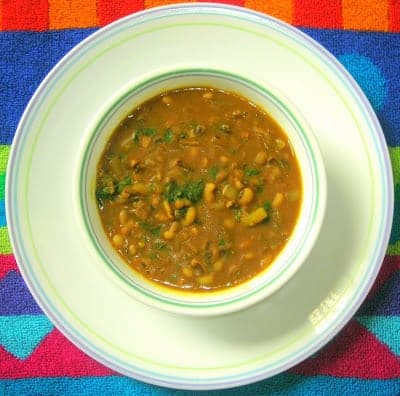
1 medium Onion – Chopped
Oil for Seasoning
Mustard Seeds – 1 teaspoon
Cumin Seeds – 1 teaspoon
Dhania Powder – 1 teaspoon
Red chilli Powder – 1/2 teaspoon
Turmeric Powder – 1/4 teaspoon
Asafoetida Powder
Salt to taste
Coriander Leaves – handful – Chopped
Full Recipe http://www.paajaka.com/2007/05/black-eyed-beans-curry.html
Picture of curry from paajaka.com
[/hc_info_box][/vc_column][/vc_row][vc_row][vc_column][vc_empty_space height=”60px”][/vc_column][/vc_row][vc_row][vc_column][vc_column_text]Remember: This article is about helping to keep you focused and interested in finding ways to maximise your immunity and build and strengthen it from the ground up. Focus on this Vitamin and make sure your diet is constantly abundant in the “A” foods.[/vc_column_text][/vc_column][/vc_row][vc_row][vc_column][vc_empty_space height=”60px”][/vc_column][/vc_row][vc_row][vc_column][vc_cta h2=”Skype, Zoom, Phone, Face to Face” add_button=”top” btn_title=”Like an Appointment?” btn_color=”warning” css_animation=”fadeInRight” btn_link=”url:https%3A%2F%2Fandrewjamesnaturopath.com|title:Book%20a%20consultation|target:%20_blank|” css=”.vc_custom_1584962671766{border-top-width: 3px !important;border-right-width: 3px !important;border-bottom-width: 3px !important;border-left-width: 3px !important;background-color: #ffffff !important;border-left-color: #dd8502 !important;border-left-style: solid !important;border-right-color: #dd8502 !important;border-right-style: solid !important;border-top-color: #dd8502 !important;border-top-style: solid !important;border-bottom-color: #dd8502 !important;border-bottom-style: solid !important;border-radius: 3px !important;}”] If you require a Naturopathic consultation for specific treatment, please give me a call, email me or book yourself in for an initial appointment. Would love to help you out. Check out my website for details and then go to the bookings page.
[/vc_cta][/vc_column][/vc_row][vc_row][vc_column][vc_column_text]References:
(1) Huang Z, Liu Y, Qi G, Brand D, Zheng SG. J Clin Med. 2018 Sep 6;7(9). pii: E258. doi: 10.3390/jcm7090258. Role of Vitamin A in the Immune System. https://www.ncbi.nlm.nih.gov/pubmed/30200565
(2) Crit Rev Biochem Mol Biol. 2019 Apr;54(2):184-192. doi: 10.1080/10409238.2019.1611734. Epub 2019 May 14. Vitamin A and vitamin D regulate the microbial complexity, barrier function, and the mucosal immune responses to ensure intestinal homeostasis.
Cantorna MT, Snyder L, Arora J
(3) Acta Vitaminol Enzymol. 1982;4(1-2):135-40. Vitamins and immunity: II. Influence of L-carnitine on the immune system. De Simone C, Ferrari M, Lozzi A, Meli D, Ricca D, Sorice F. https://www.ncbi.nlm.nih.gov/pubmed/6214931[/vc_column_text][/vc_column][/vc_row]

 1: Organic lean meats or meat farmed responsibly. I believe you are better off to pay a little more or go to a bit more effort to find high quality (preferably organic) meats. That is of course if you are not vegetarian!
 1: Processed and refined foodsPaleo solutions